

.
https://rejsa.nu/im/user/4040/2026-11-01-10-49-41_fer_toy.jpg
.
https://rejsa.nu/im/user/4040/2026-11-04-13-38-53_bblluuee.jpg
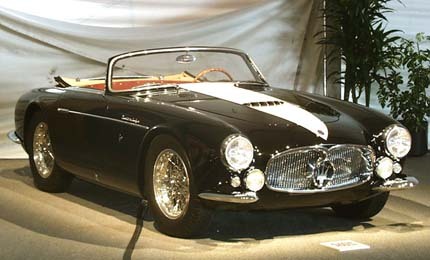

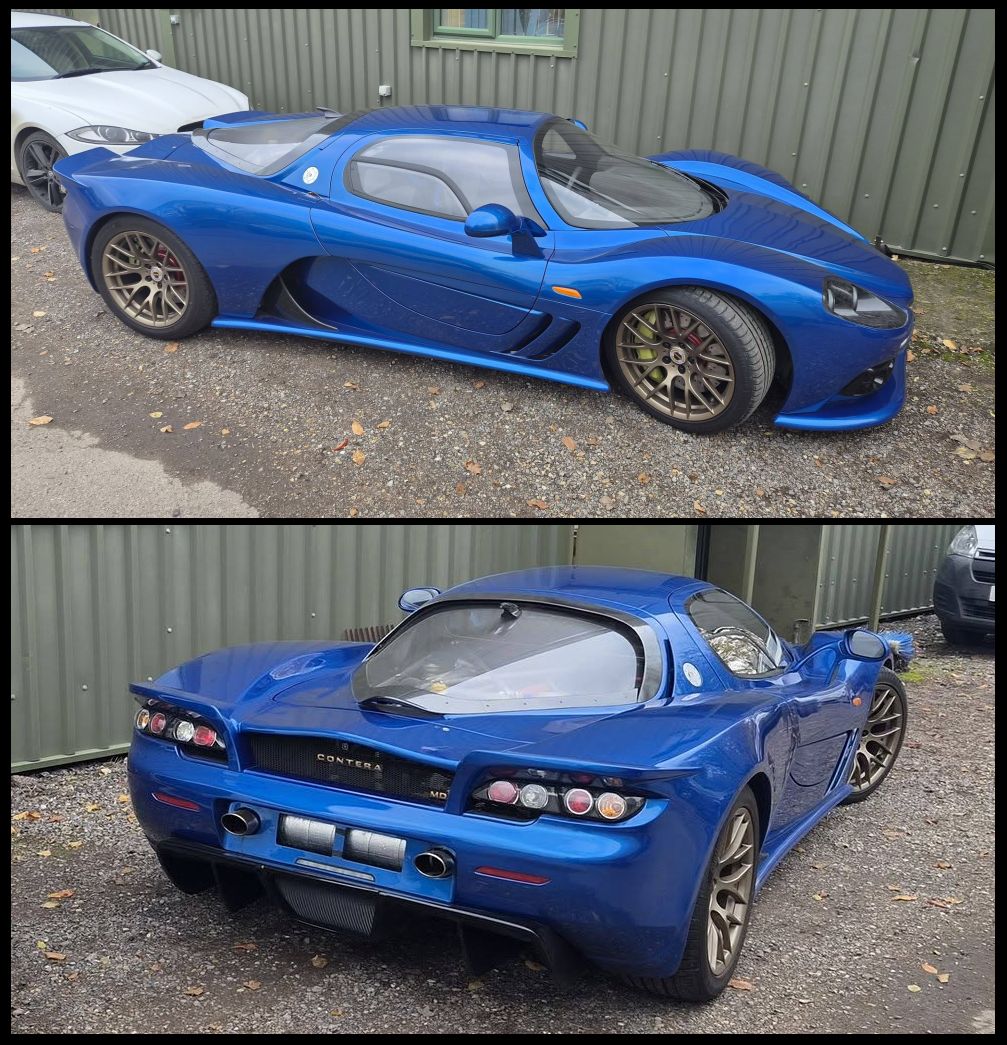
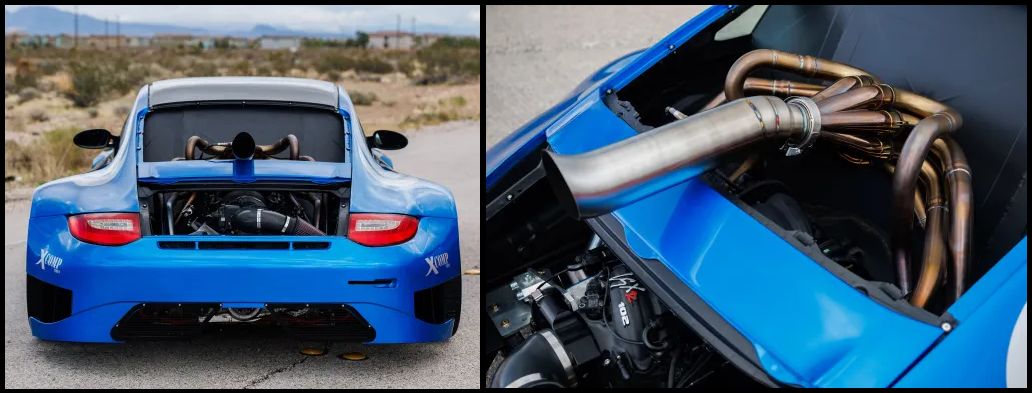
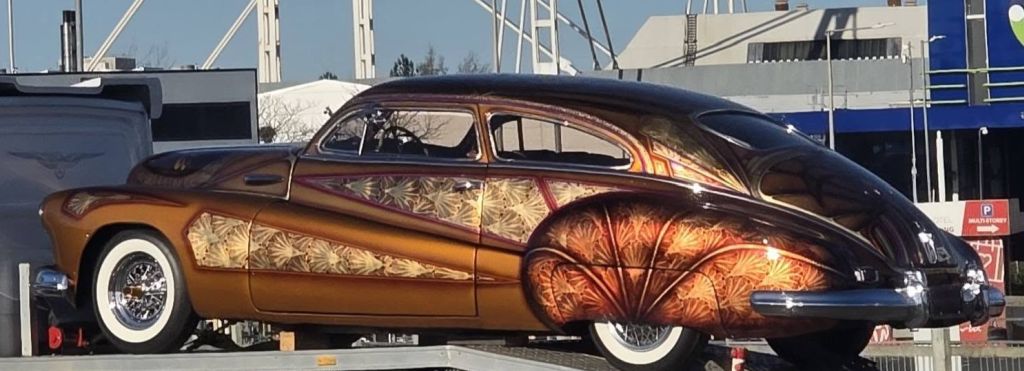
den har jag sett i verkligheten. Otroligt frän!

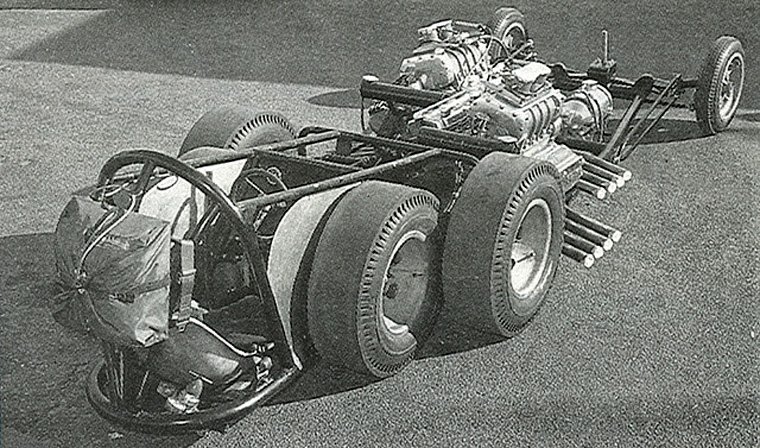
an you imagine what the NHRA would say or do if the legendary Art Chrisman or the less well-known Bill Coburn showed up at the 1990 Winternationals with this pair of performers? Both drag cars shared three things in common: blown, fuel-burning Chryslers; two sets of drive wheels; and being built and driven during the early '60s. According to Chrisman, twin-engine dragsters were becoming more popular. Consequently, Art, brother Lloyd, and partner Frank Cannon decided to build a two-motor dragster with two sets of independent drive wheels. The front engine (454 inches of early Chrysler) drove the front pair of drive wheels, and the rear engine (same make and displacement) drove the rear pair of drive wheels. Both engines were hooked to their respective rearends via in-and-out boxes so that each combo could be run independently from the other. Two problems appeared after the team conducted two midweek test sessions at Riverside and Bakersfield. These problems were found to be a lazy engine and loss of traction. The engine problem was traced to a bad blower case, which Art fixed. He simply hit it with a sledgehammer and then got another one. The traction problem was harder to solve. The front drive wheels would break loose just after the dragster's initial launch. Art figured that this might happen, so he added a weight jacker (arrow) to the front suspension of the dragster.
Even though the jacker served to lower the front end until the oil pans scraped the pavement, the front drive wheels continued to spin while the rear set remained hooked up. In retrospect, Chrisman felt that he should have pivoted the chassis between the two rearend housings-like bogey truck axles do-which would have kept all four wheels firmly planted ... even though Art recalls that Hustler III still shot out of the hole like "Jack The Bear. "